
At Villages Future Network (VFN), we believe lasting change happens when people have the knowledge, resources and opportunities to shape their own futures. We work with vulnerable communities to address poverty, strengthen household resilience and create sustainable pathways to improved well-being.
EMPOERING COMMUNITIES . RESTORING ECOSYSTEMS. BUILDING SUSTAINABLE FUTURES.
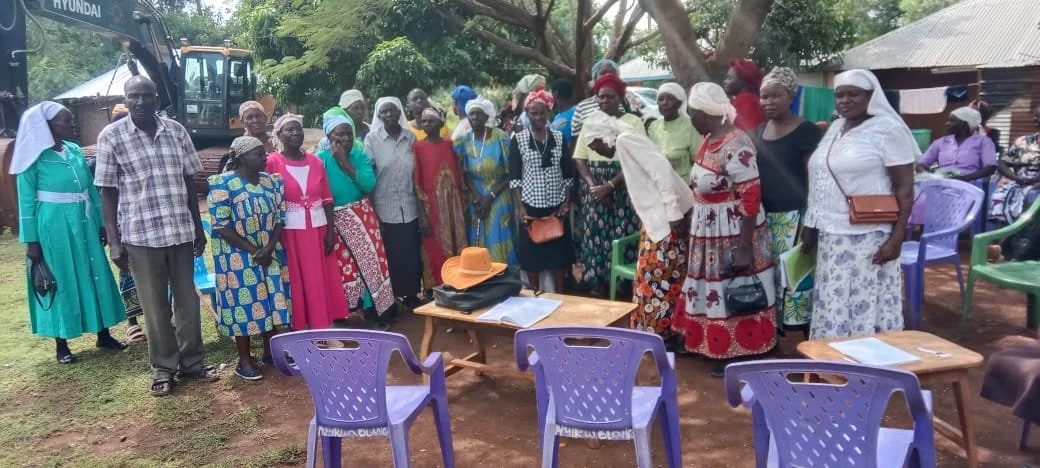
We empower vulnerable women, particularly widows and low-income households, through entrepreneurship, skills development, access to productive resources and income-generating opportunities.
Women's Empowerment & Sustainable Livelihoods
FOCUS
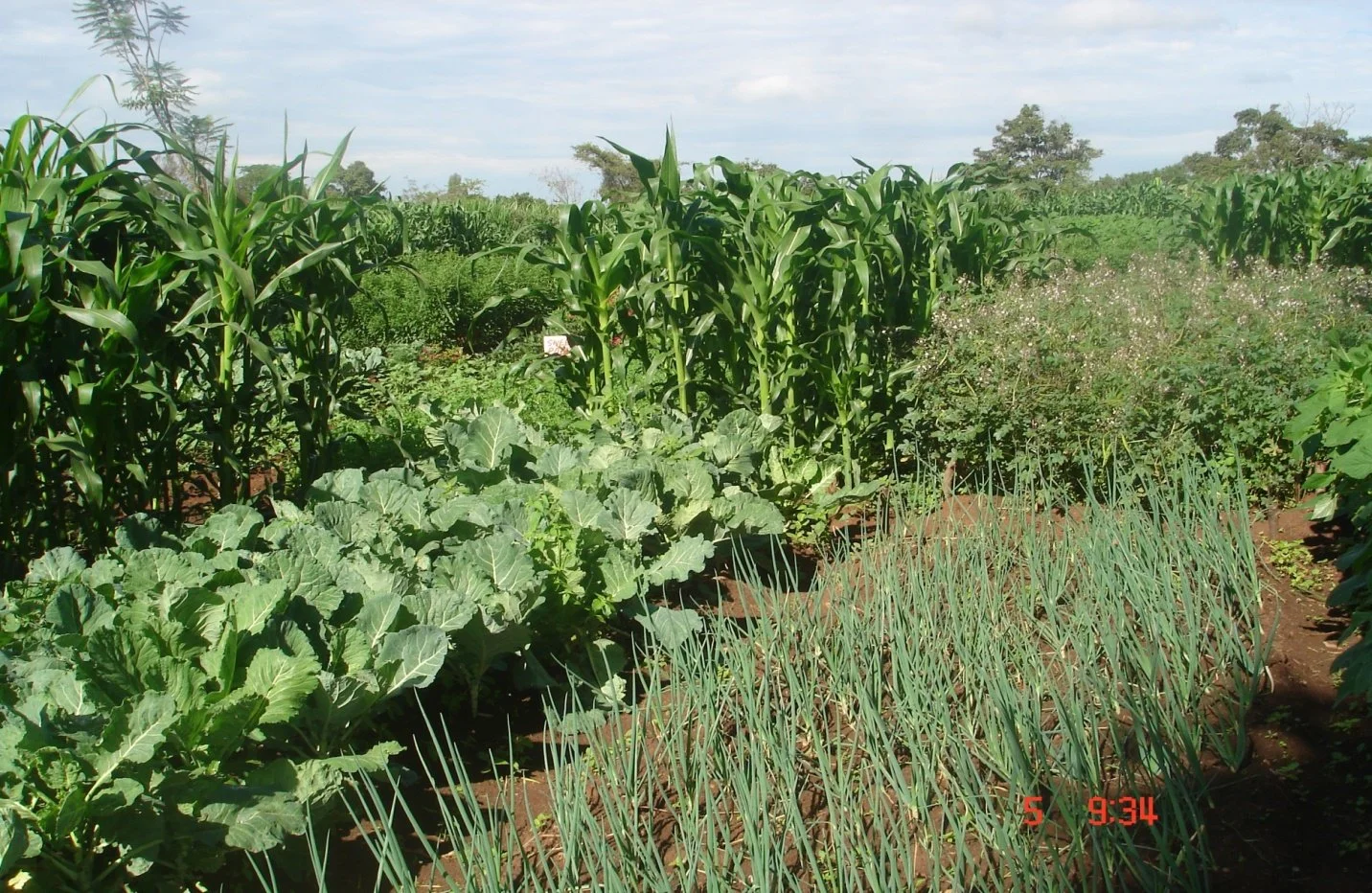
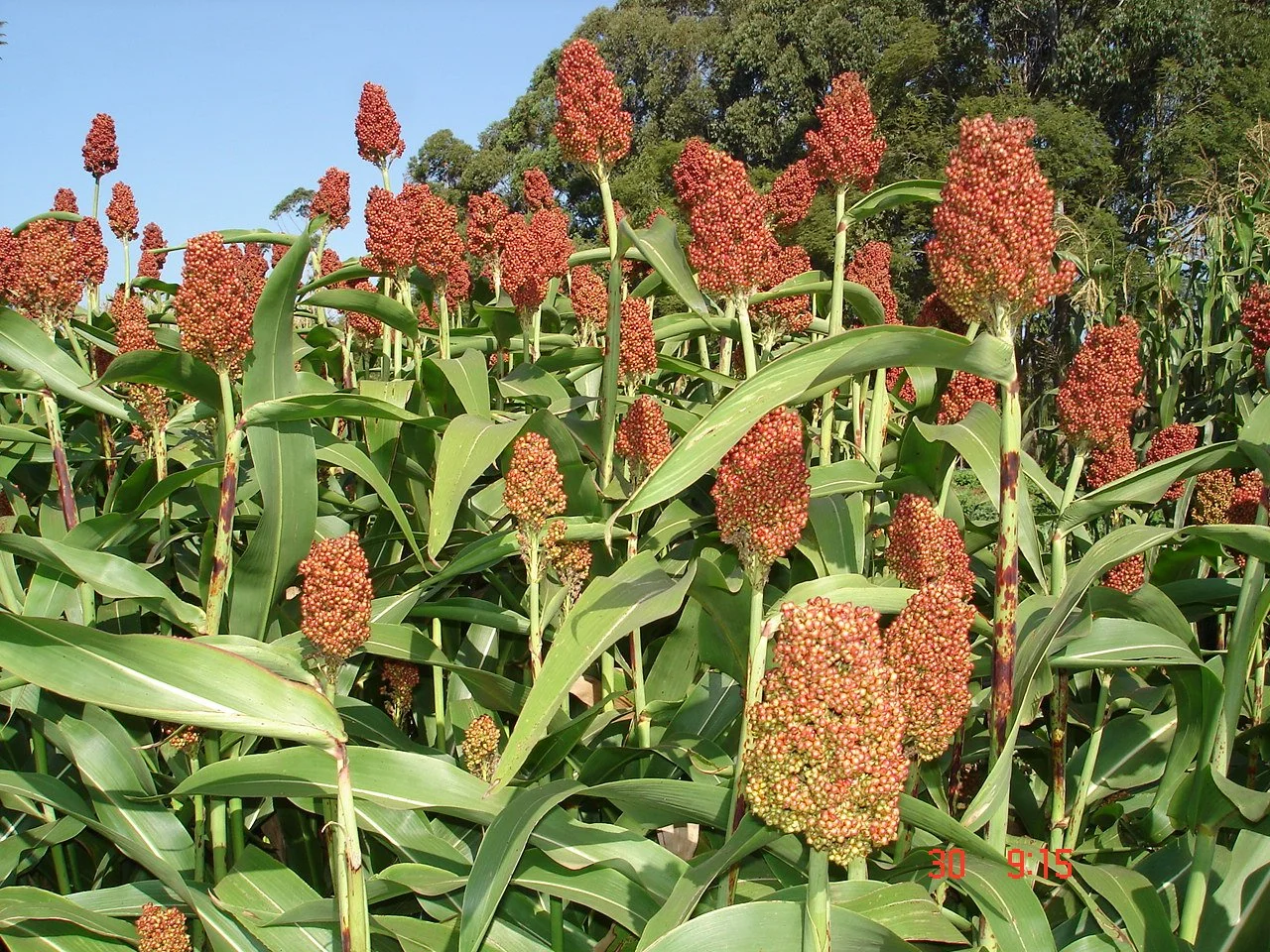
We support smallholder farmers and vulnerable households with agricultural training, improved farming practices, productive inputs and climate-smart approaches that strengthen food security and household incomes.
Food Security and Climate-Smart Agriculture
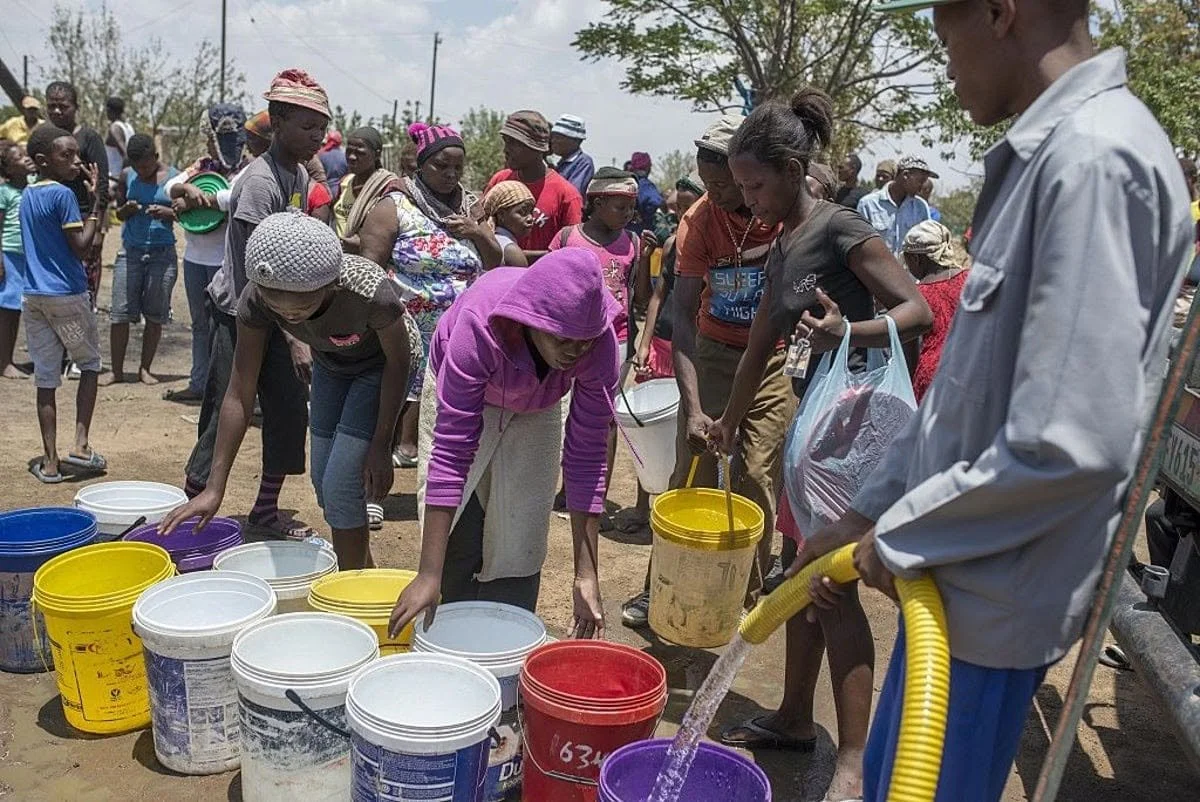
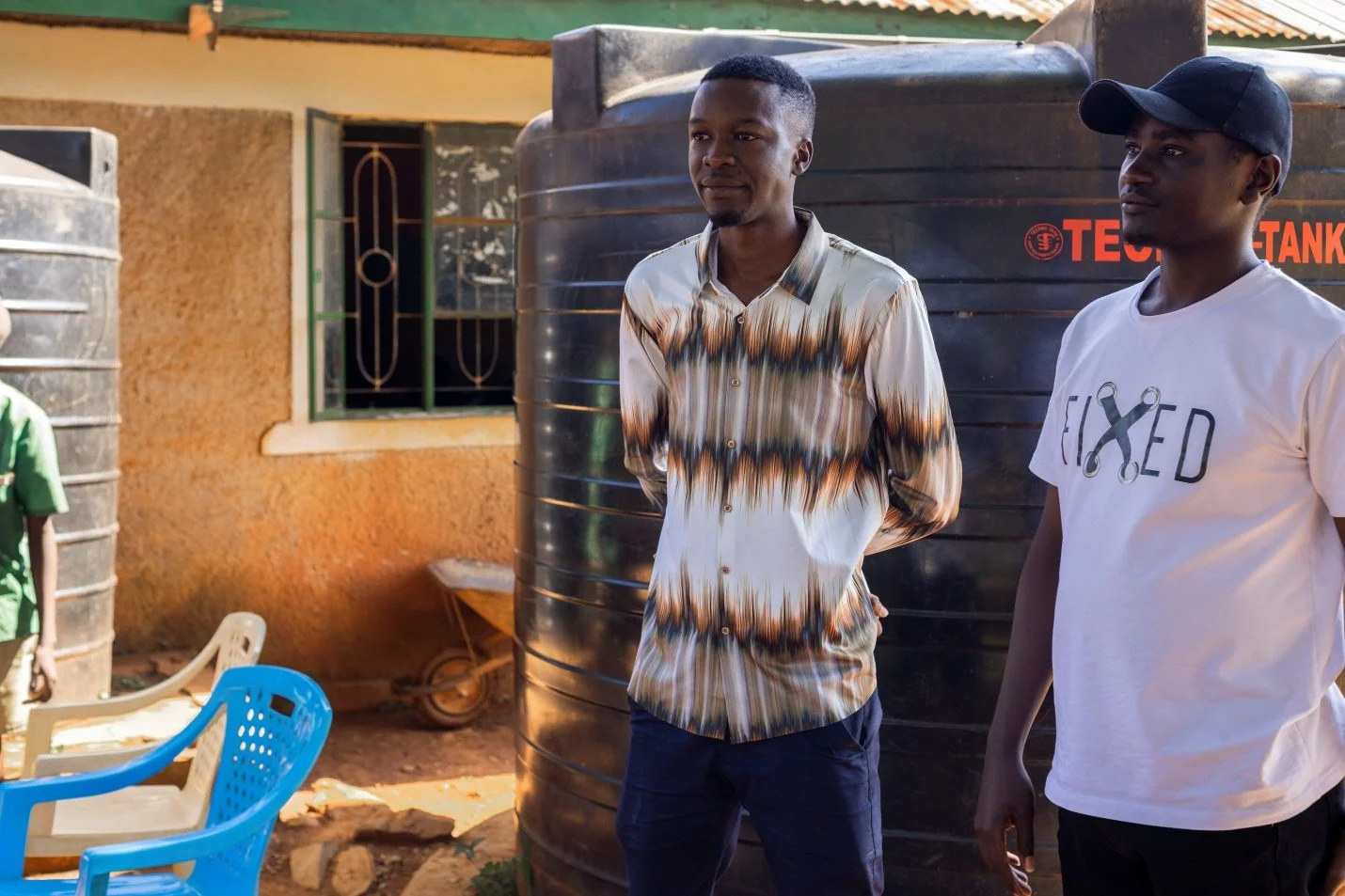
We support improved access to safe water, rainwater harvesting, sanitation and hygiene awareness to enhance community health and reduce the burden of water insecurity, particularly for vulnerable households.
Water Access, Sanitation and Hygiene (WASH)
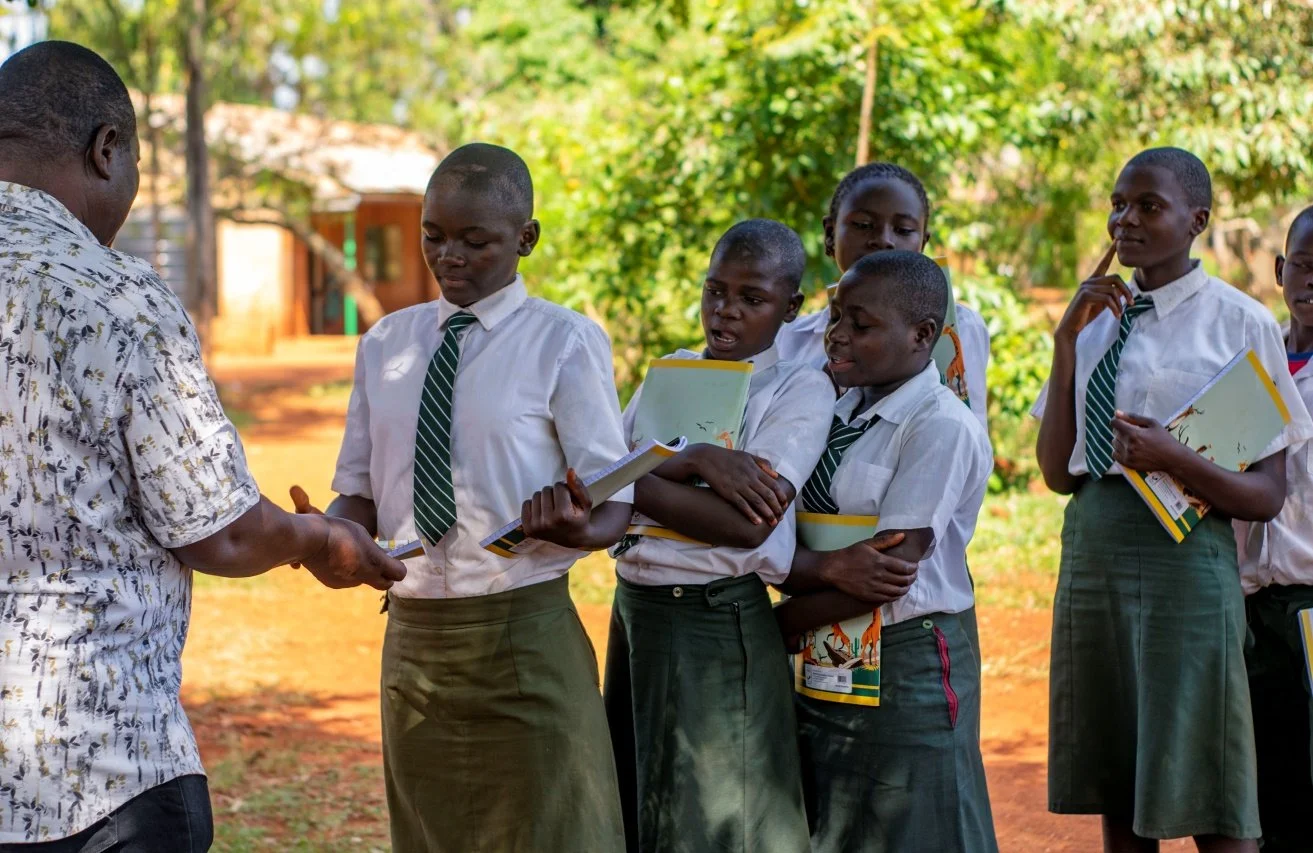
We promote access to quality education and opportunities for young people through school support, educational materials, mentorship, life skills and practical skills development that enhance employability.
Education & Youth Development
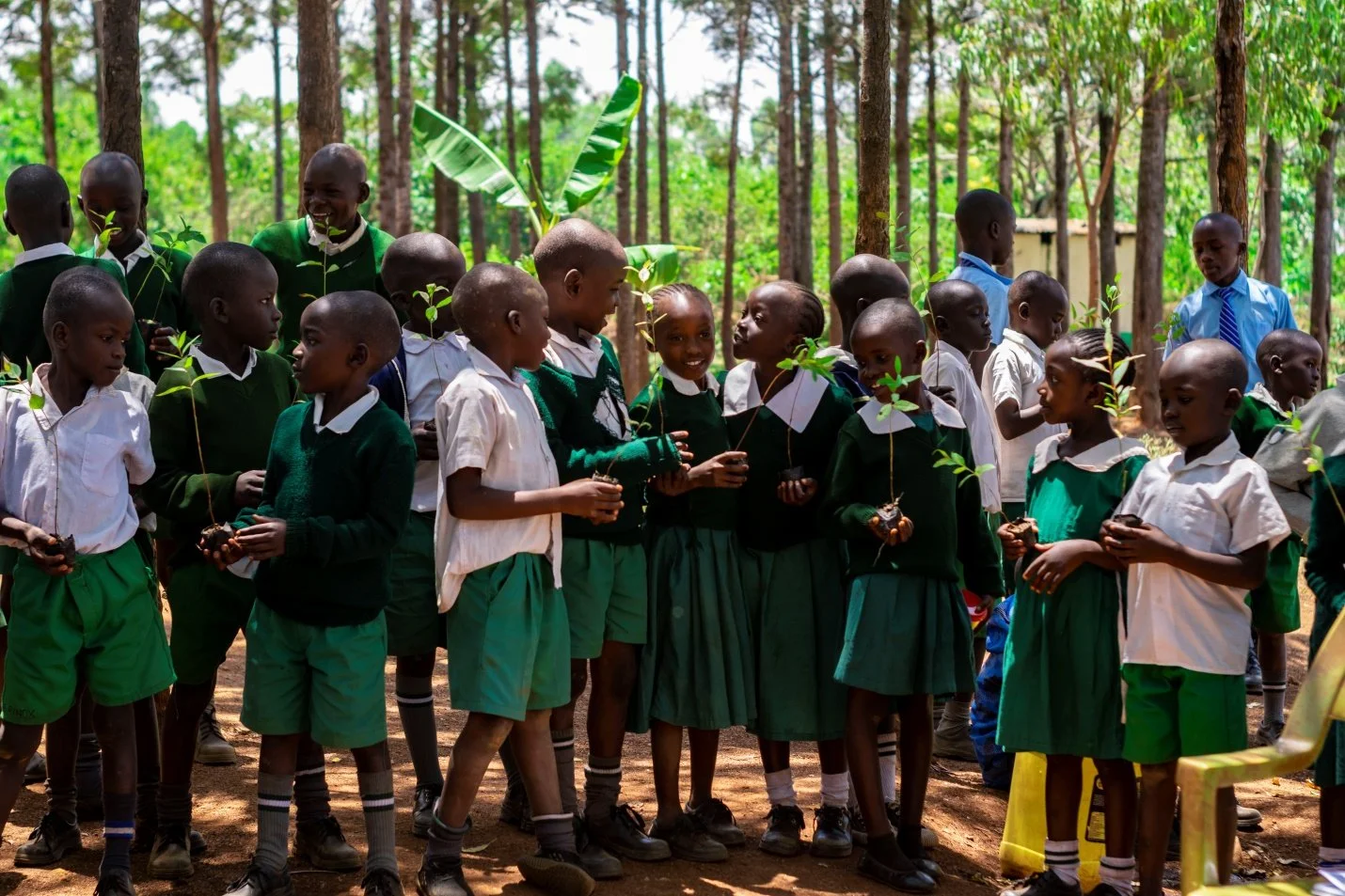
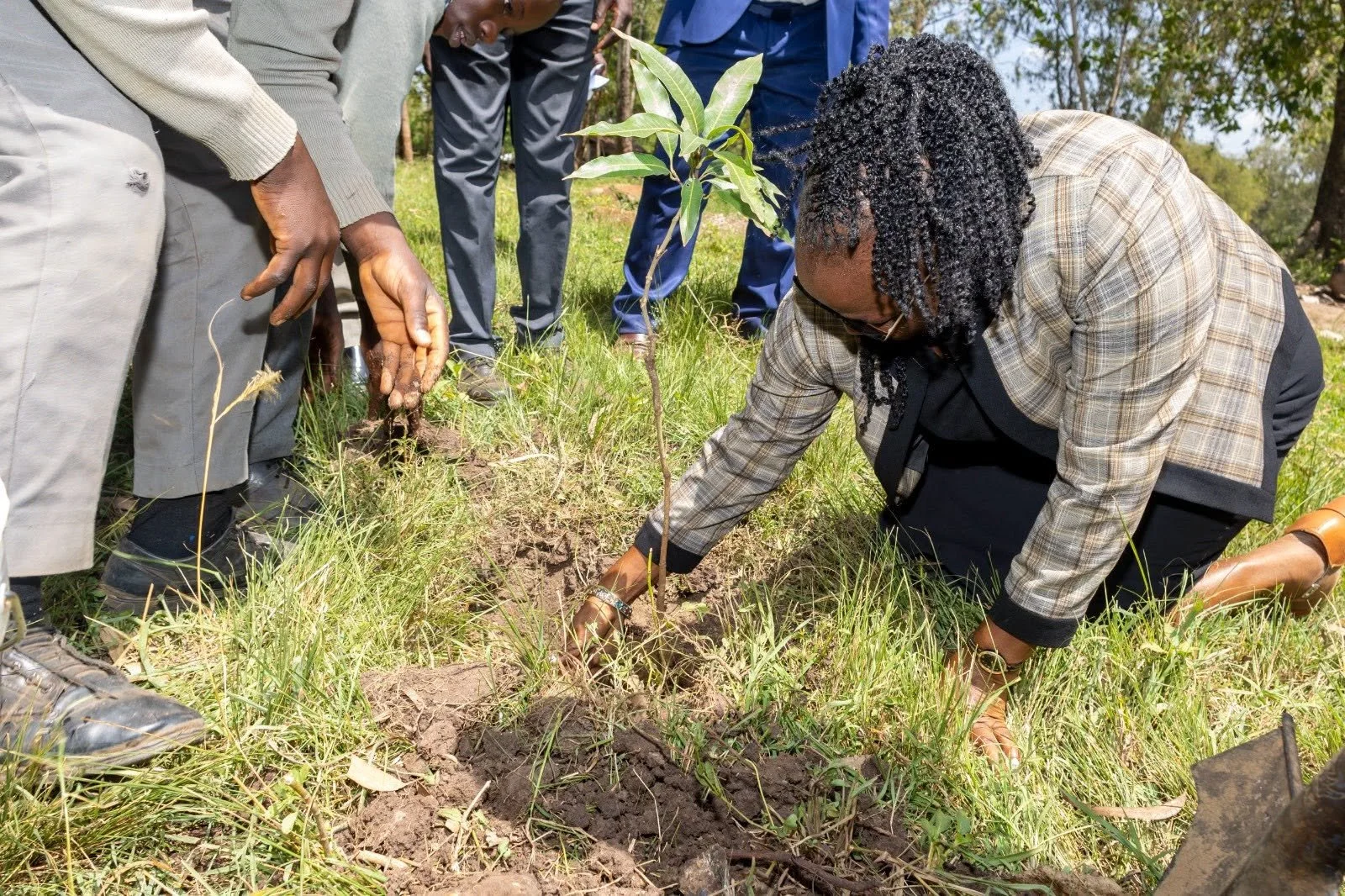
While our broader community approach combats climate change, we deploy targeted initiatives like A Child a Tree, a Tree a Child—promoting tree planting, ecosystem restoration, environmental education, and sustainable resource management to build lasting resilience.
Environmental Conservation and Climate Resilience
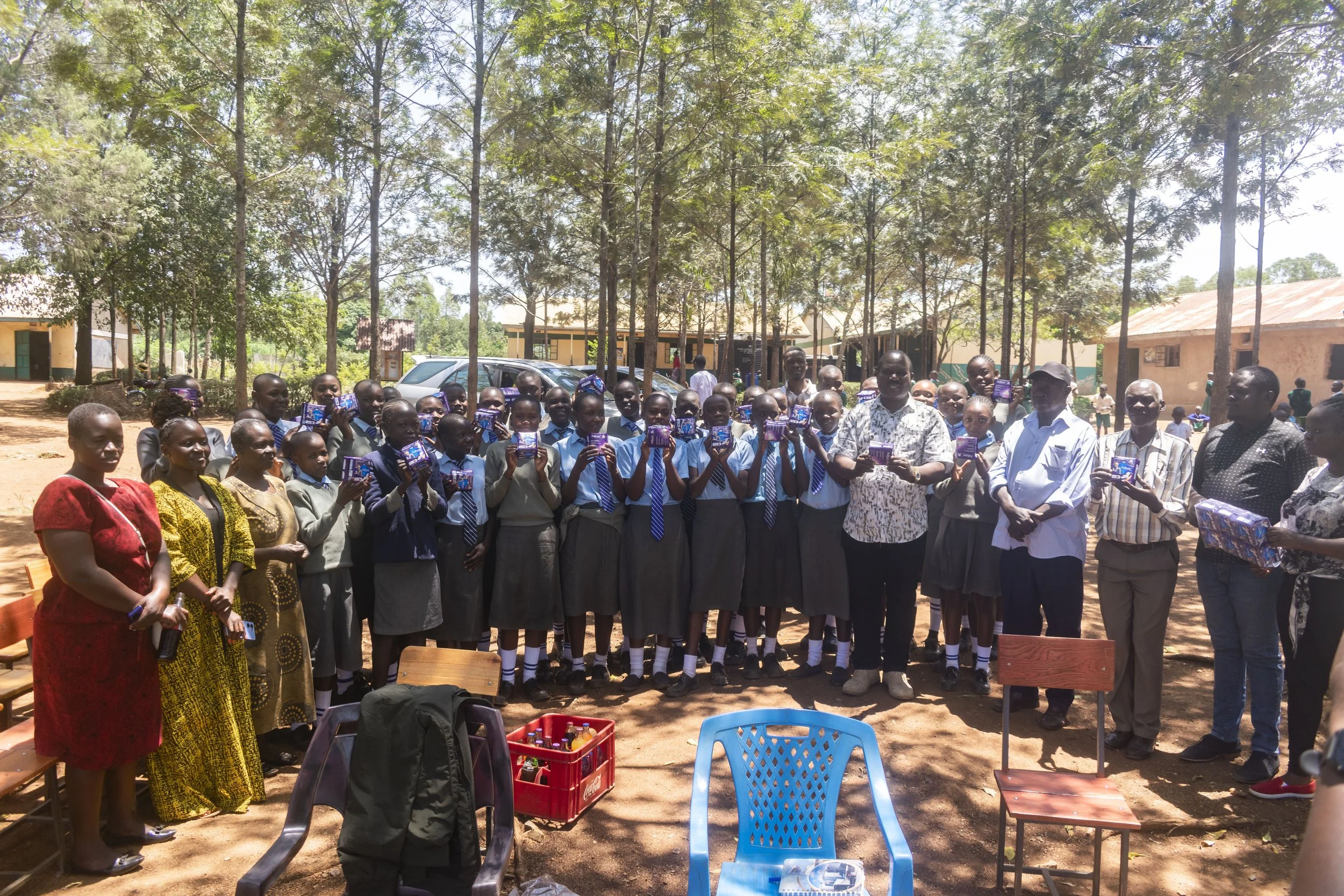
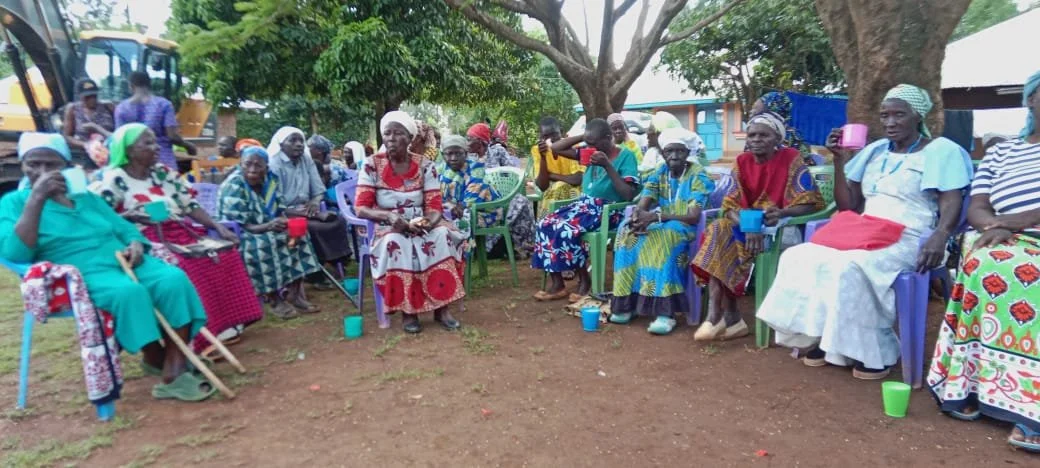
We provide support to vulnerable individuals and households, including widows, orphans, older persons and persons with disabilities, while promoting dignity, inclusion, equal opportunities and capacity building to enhance self-reliance.
Humanitarian Assistance and Social Inclusion
ENGAGE EMPOWER CHANGE
ENGAGE EMPOWER CHANGE
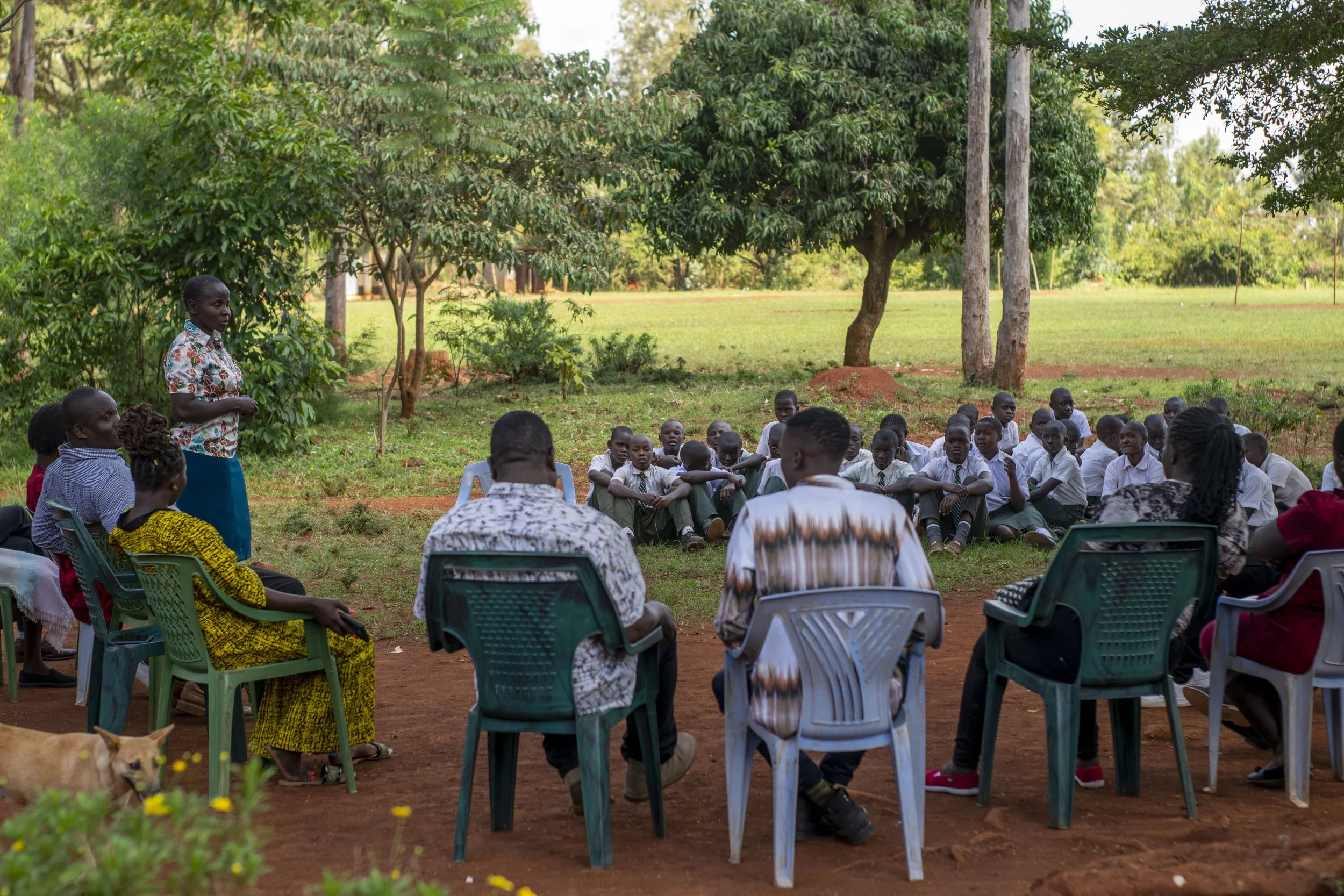
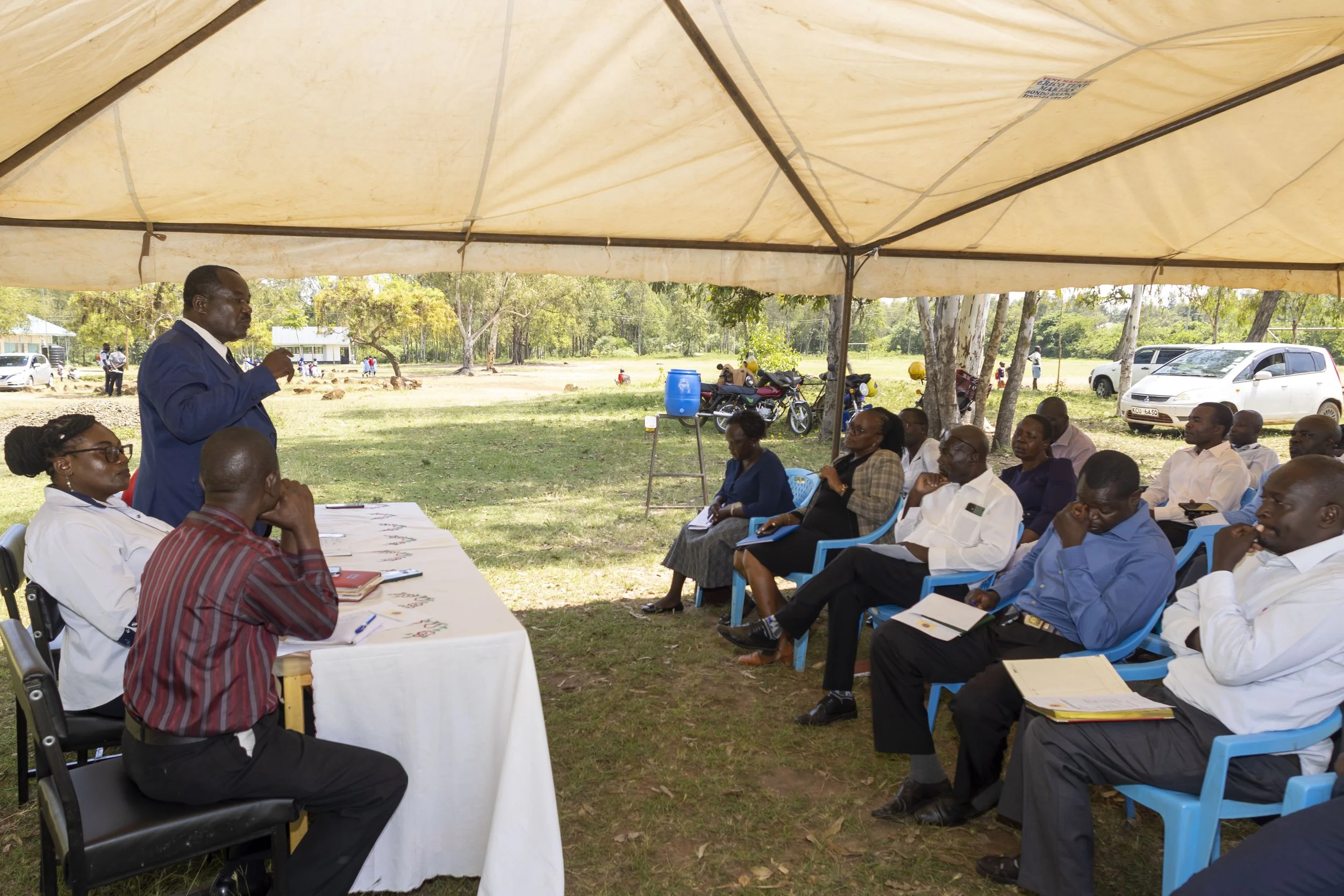
We recognise that poverty is multidimensional and that lasting solutions require more than isolated interventions. Our programmes therefore bring together complementary support, community participation and local partnerships to address the different challenges facing rural households.